
Blog

Are Garage Doors Standard Sizes in NZ? (And when to go custom)
When it comes to garage door sizes in NZ, there’s no true standard, only common starting points. Every site and design is different, and today’s vehicles, ceiling heights, and architectural façades often call for tailored sizing to get both the function and proportions just right.
Understanding Typical Sizes
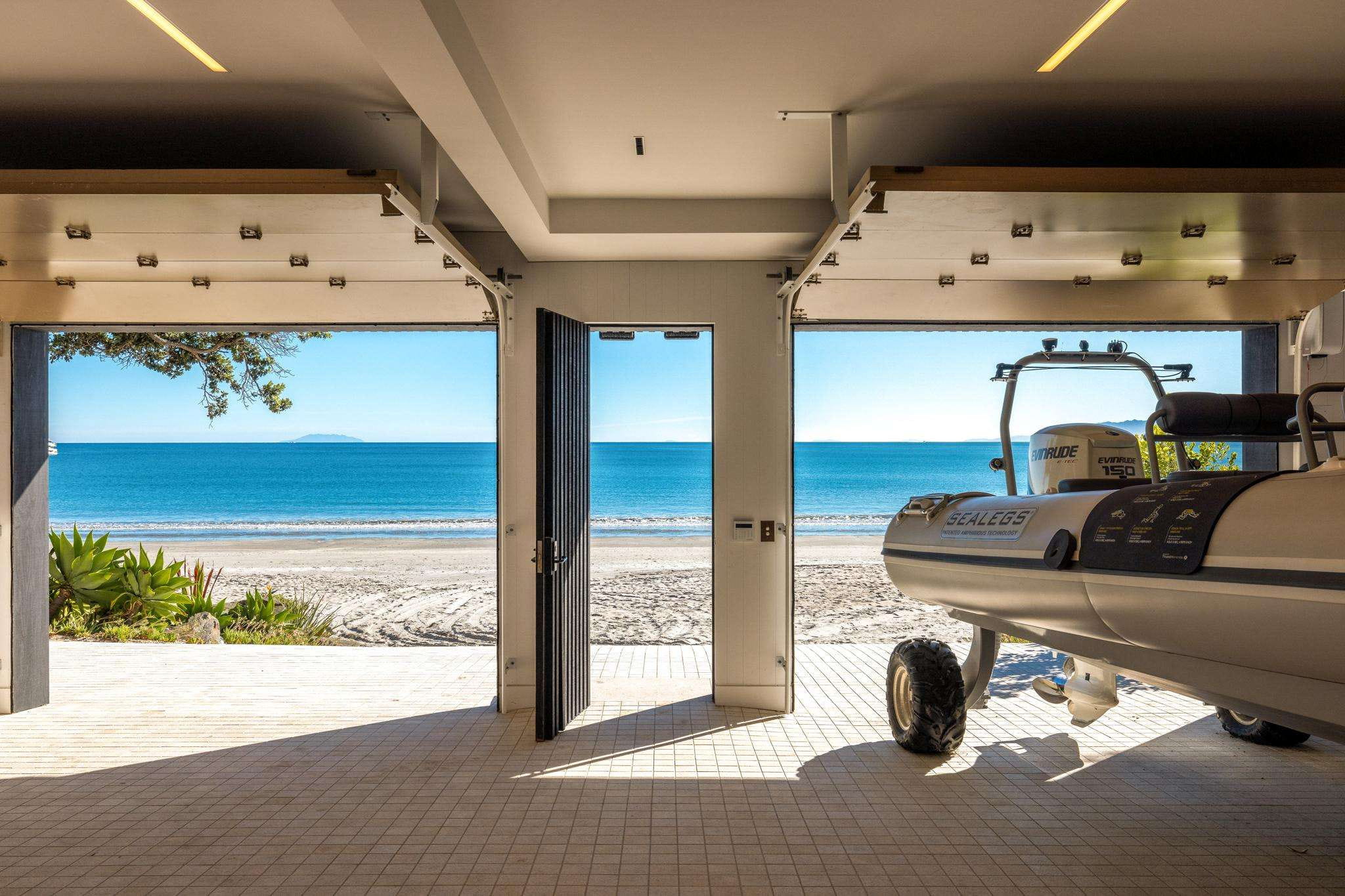
Typical garage door sizes in NZ sit around 2.2 metres high, though width varies depending on the design and vehicle type. Doubling that opening provides more comfortable access, especially on angled driveways or for wider vehicles.
Modern builds are trending taller, with openings around 2.4 metres common for SUVs and roof racks, all the way up to 3.0 metres when installed on boat sheds. Some projects even exceed this for car stackers or additional storage clearance.
If you’re renovating, confirm the clear opening height and width after linings, not just from the rough framing. For garages with limited headroom, your supplier can confirm the minimum clearance needed for your chosen system and opener.
When “standard” doesn’t fit
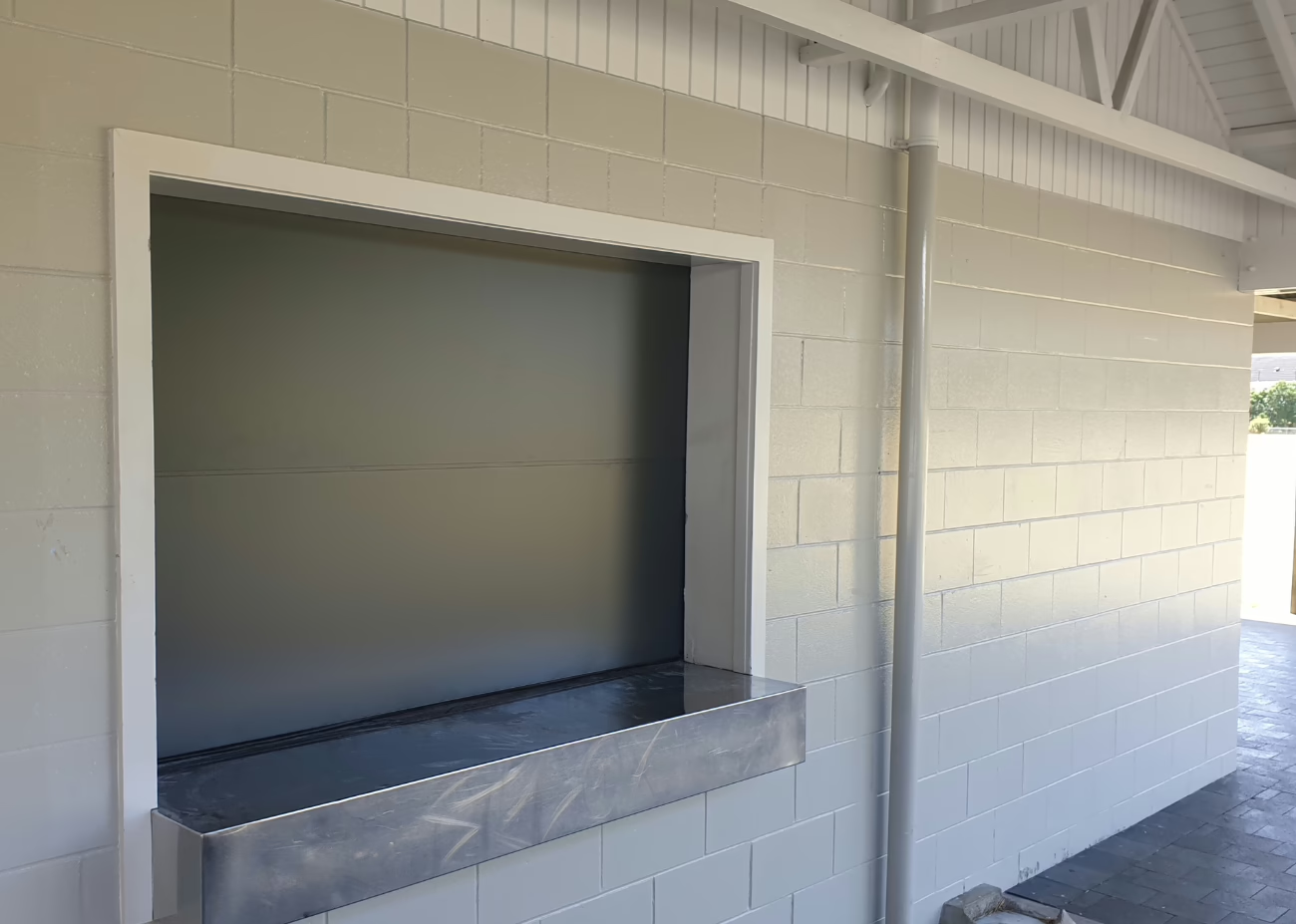
Custom sizing becomes essential when the architecture or use case demands precision.
Flushmount and other bespoke designs often reduce the available opening slightly due to the unique set up required or door construction. Oversized or heavy doors often require stronger hardware and motors, which can be larger and therefore also affect clearances and spring configurations.
In retrofits, existing lintels, soffits, or track setups can restrict usable height, a professional site measure will confirm what’s achievable without structural work.
Design and hardware factors
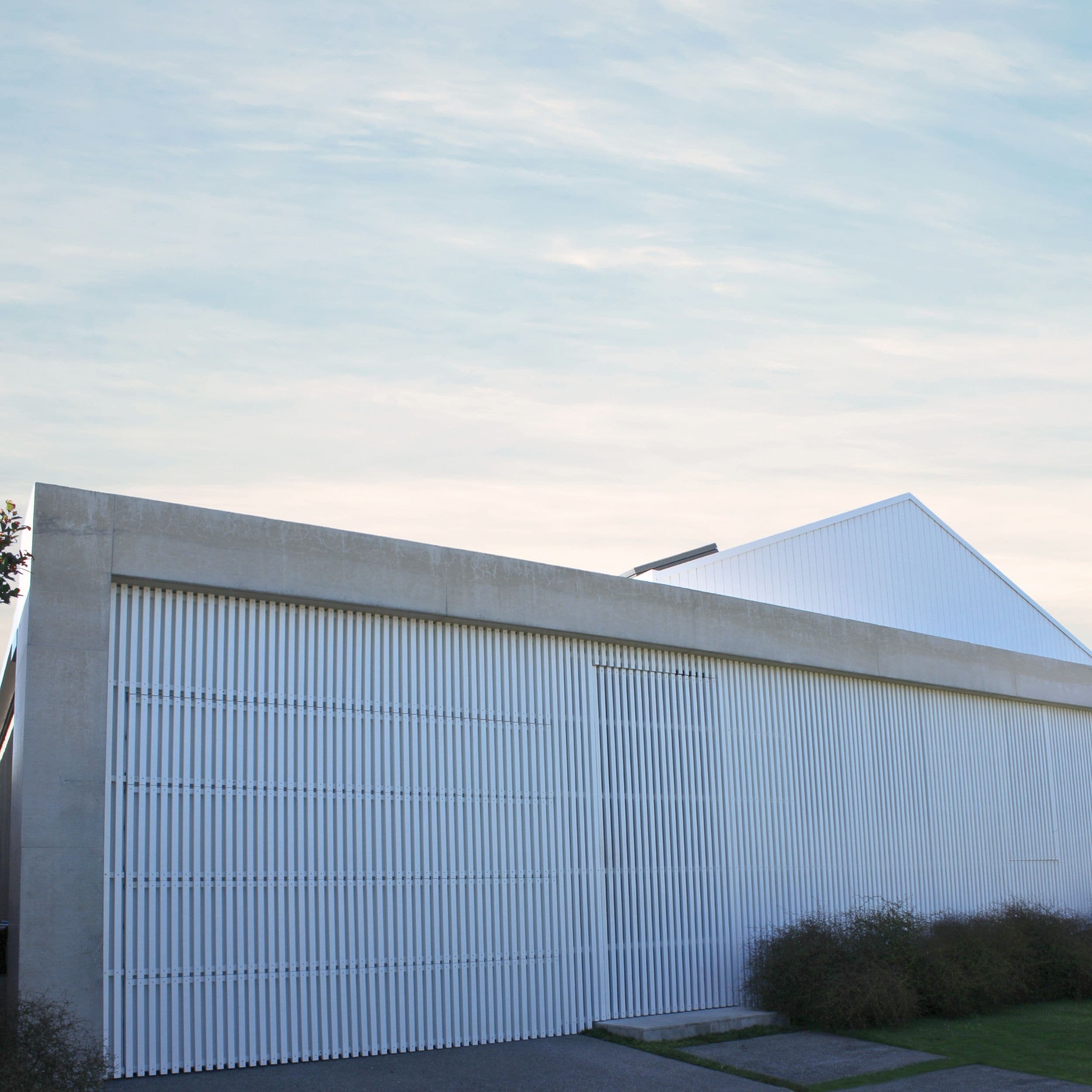
Clearance isn’t just about vehicle height, it’s also about the space above and behind the door. Sectional doors need overhead tracks and opener clearance, while tilt doors swing outward, requiring different allowances. Tight spaces may call for low-headroom kits or side-mounted motors.
If you’re upgrading from a tilt door to a sectional, note that the change in mechanism may slightly change your clearance height. Always consider future needs too, like roof racks, new tyres, or bike carriers.
For flushmount or invisible designs, factor in the cladding thickness and material weight early. These details have a big effect on feasibility, fixing strategy, and final clearance.
Before you order
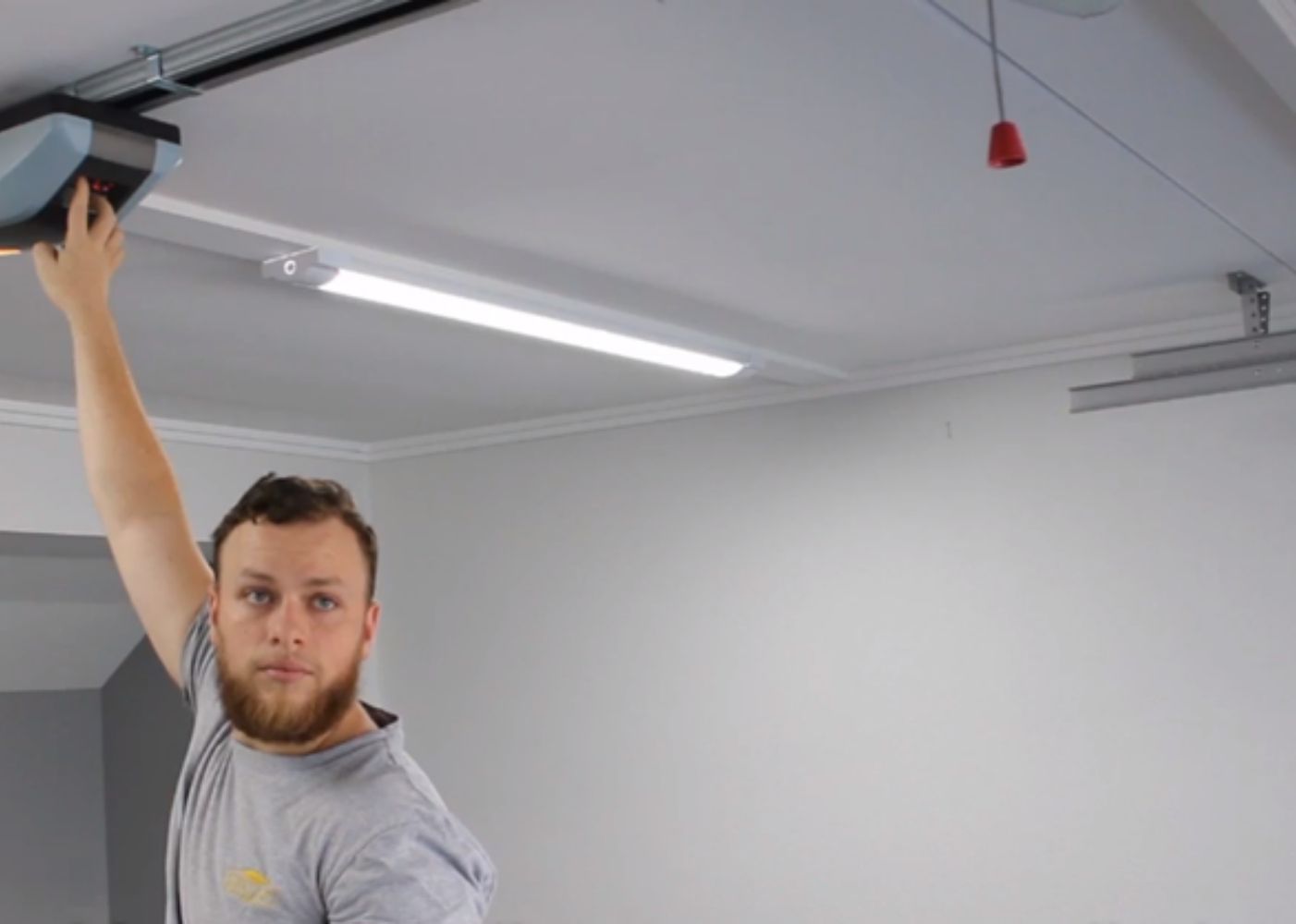
If you’re unsure which garage door size suits your home, a professional site measure can confirm what’s possible without structural changes.
Before locking in your door size, double-check a few practical details:
- Confirm the total available clearance (height, width, and headroom).
- Identify ceiling obstructions such as beams, ducting, or supports.
- Decide on opener placement — whether centred or side-mounted — around those obstructions.
- Finalise cladding choice and thickness to determine the finished opening size.
And better yet — have a professional site measure completed, especially for heavier doors or flushmount systems. A quick assessment early on can prevent costly adjustments later.